
Bloomington is home to wild squirrels and the largest flock (murder) of crows in North America. Luckily, they were all around for our ACI conference workshop!
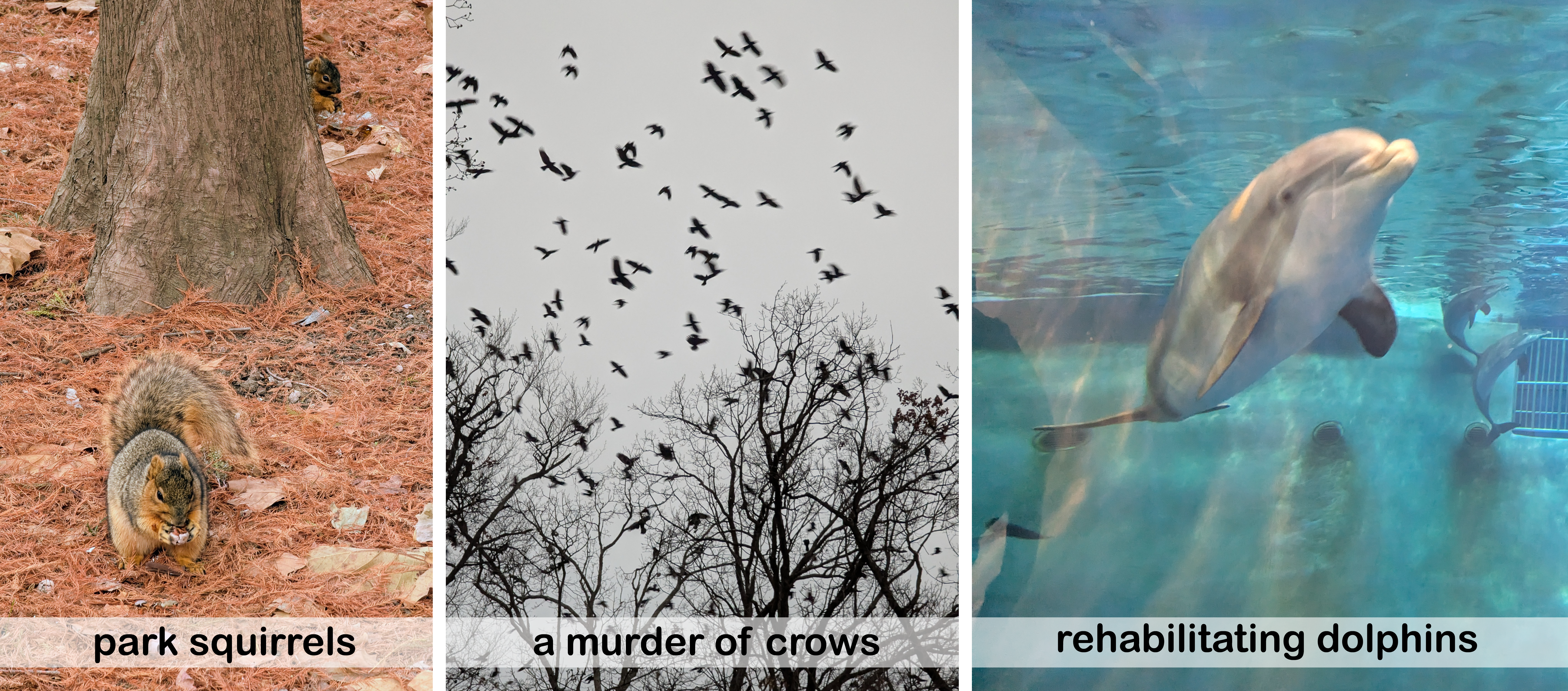
In the morning, we had an induction to Indianapolis Zoo, with guided tours around some of the facilities. This included an introduction from Erica Cartmill into research on social cognition in dogs, humans and apes, a visit to the underwater viewing dome to see rehabilitated dolphins, and the opportunity to meet some elephants. After lunch, we were also invited to one of Robert Shumaker's cognitive training sessions with an orangutan.
Then participants formed small teams to discuss the briefs provided by our animal specialists - Yumi Yamanashi from Kyoto Zoo set some challenging questions relating to chimpanzees, Chris Martin described Indy Zoo enrichment goals for orangutans, and Simon Kenworthy explained the challenge for gibbons at London Zoo offered by Simon and Fay Clark. See details below.

In the wild, chimpanzees live in diverse environments, ranging from tropical forests to savannas. They spend their days traveling, foraging, and interacting with members of their community. Chimpanzees are highly social animals, living in large and flexible multi-male, multi-female societies called fission–fusion groups. Individuals frequently split into smaller parties and reunite depending on food availability, social relationships, reproductive conditions, and daily needs.
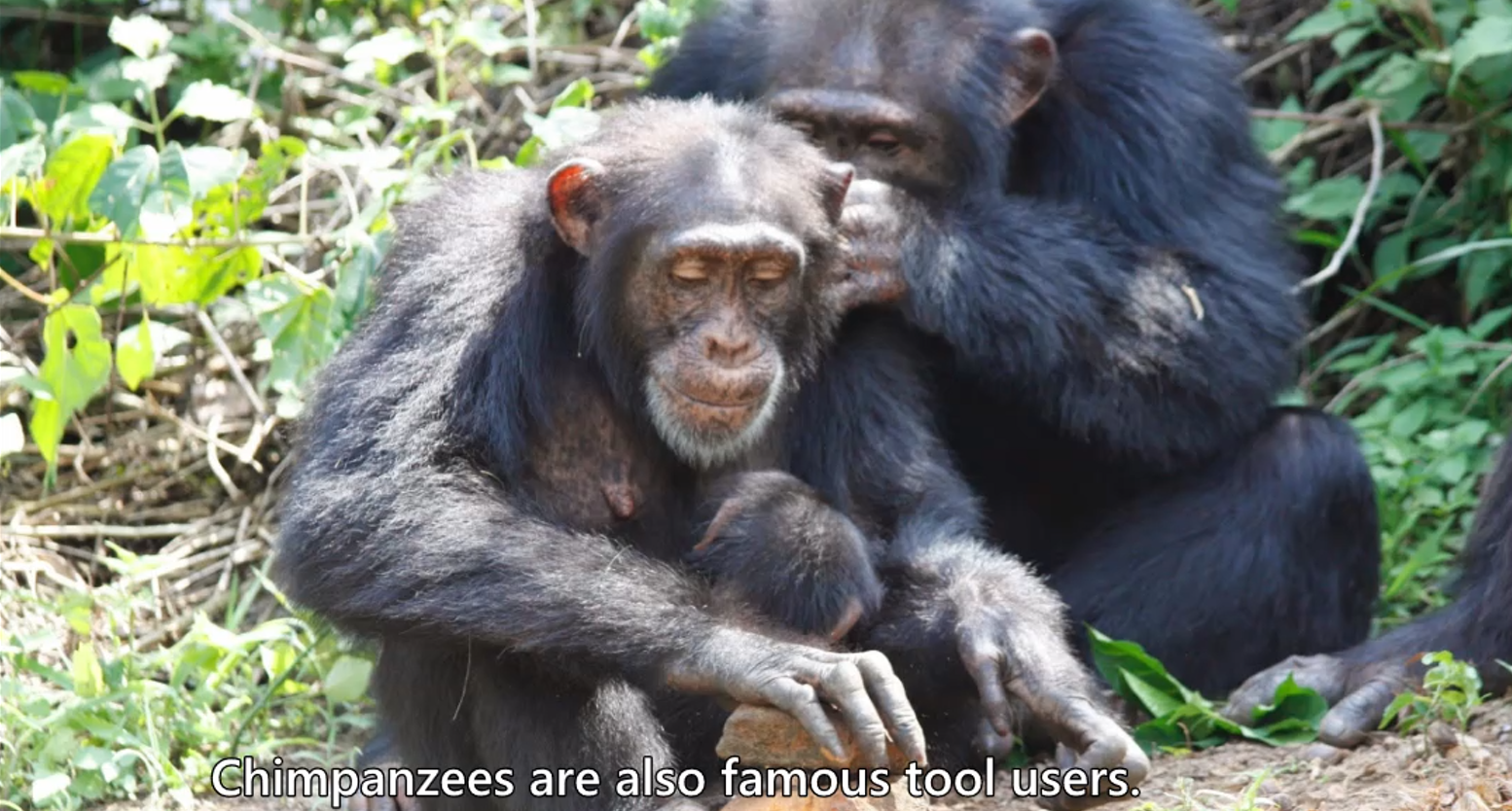
Chimpanzees are famous tool users. In the wild, they use sticks to fish for termites, stones to crack nuts, and leaves as sponges to collect water. These behaviors demonstrate their impressive problem-solving abilities and capacity for cultural learning.
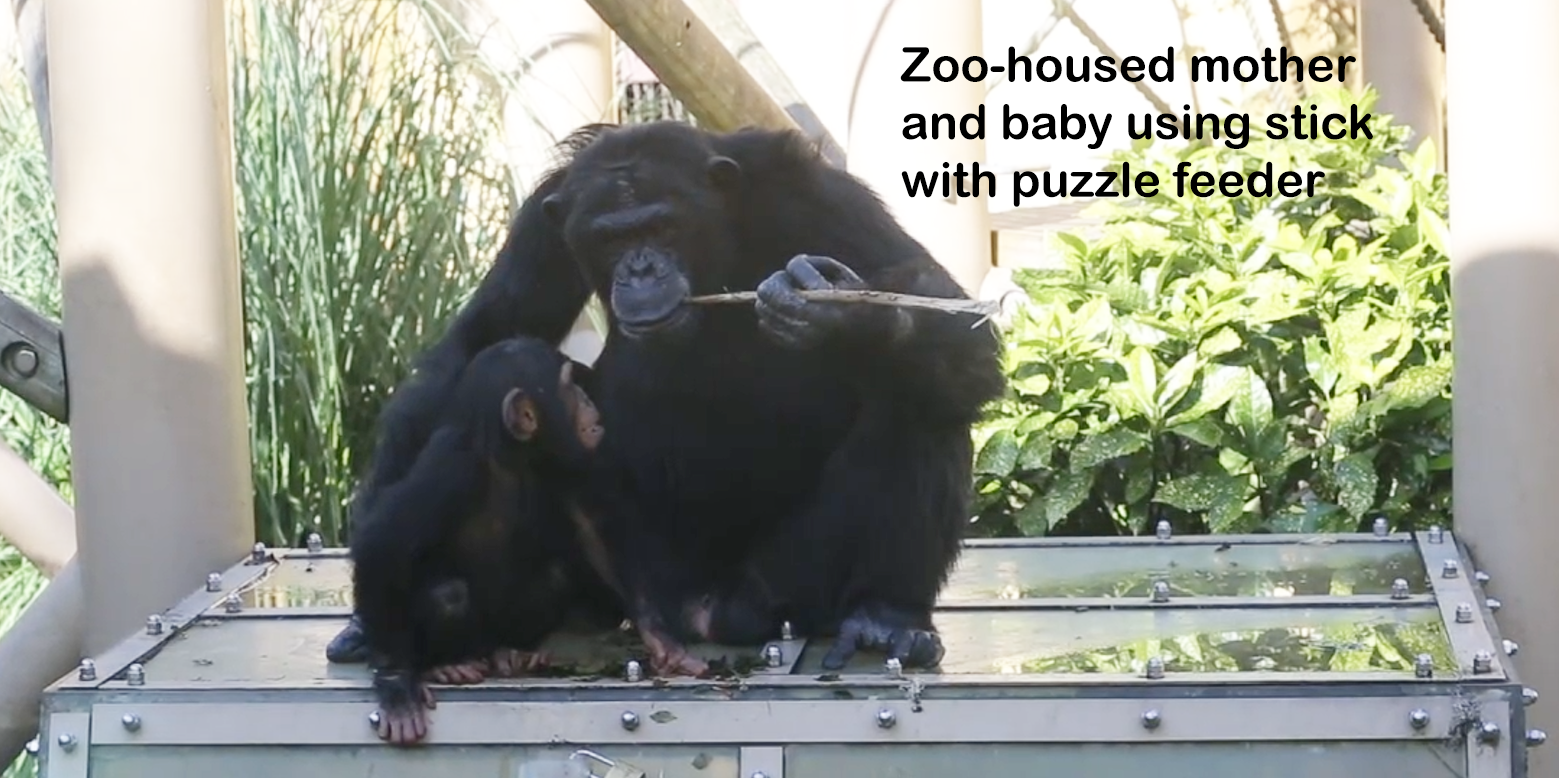
In modern zoos, caring for chimpanzees involves recreating many of the physical and mental challenges they would encounter in the wild. We must carefully manage social dynamics, provide opportunities for choice and control, and continually enrich their environment. Cognitive enrichment—such as puzzles, object manipulation tasks, or problem-solving feeders—plays a key role in maintaining their mental well-being.
Orangutans are Intelligent, Solitary, Arboreal, Tool-Users, Future-Planners.
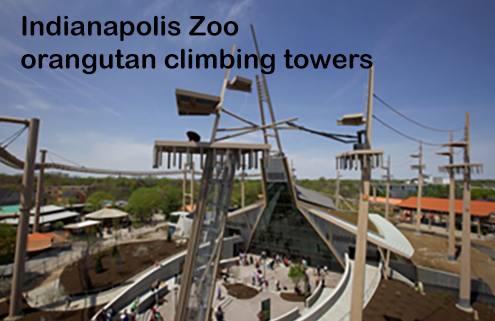
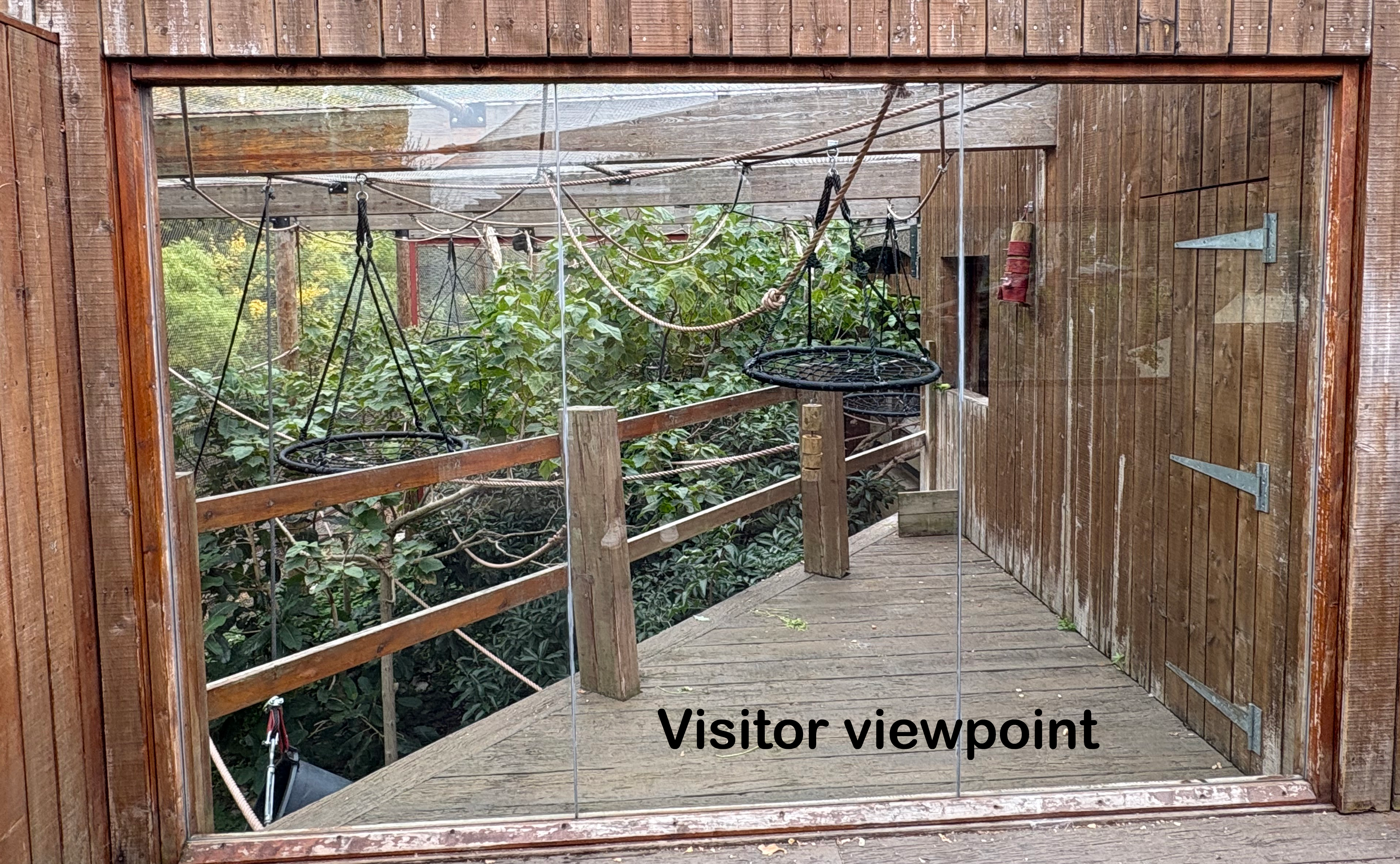
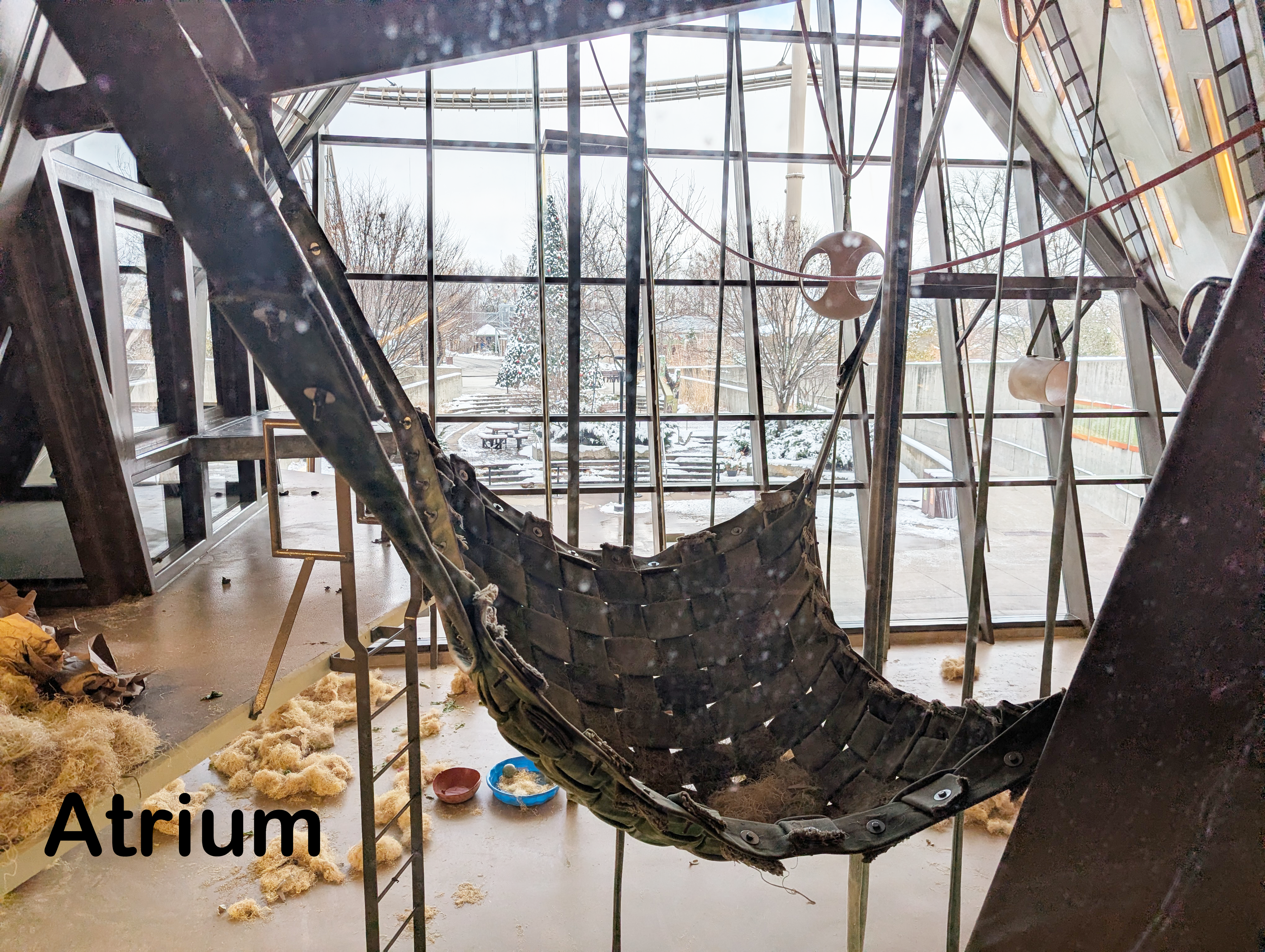
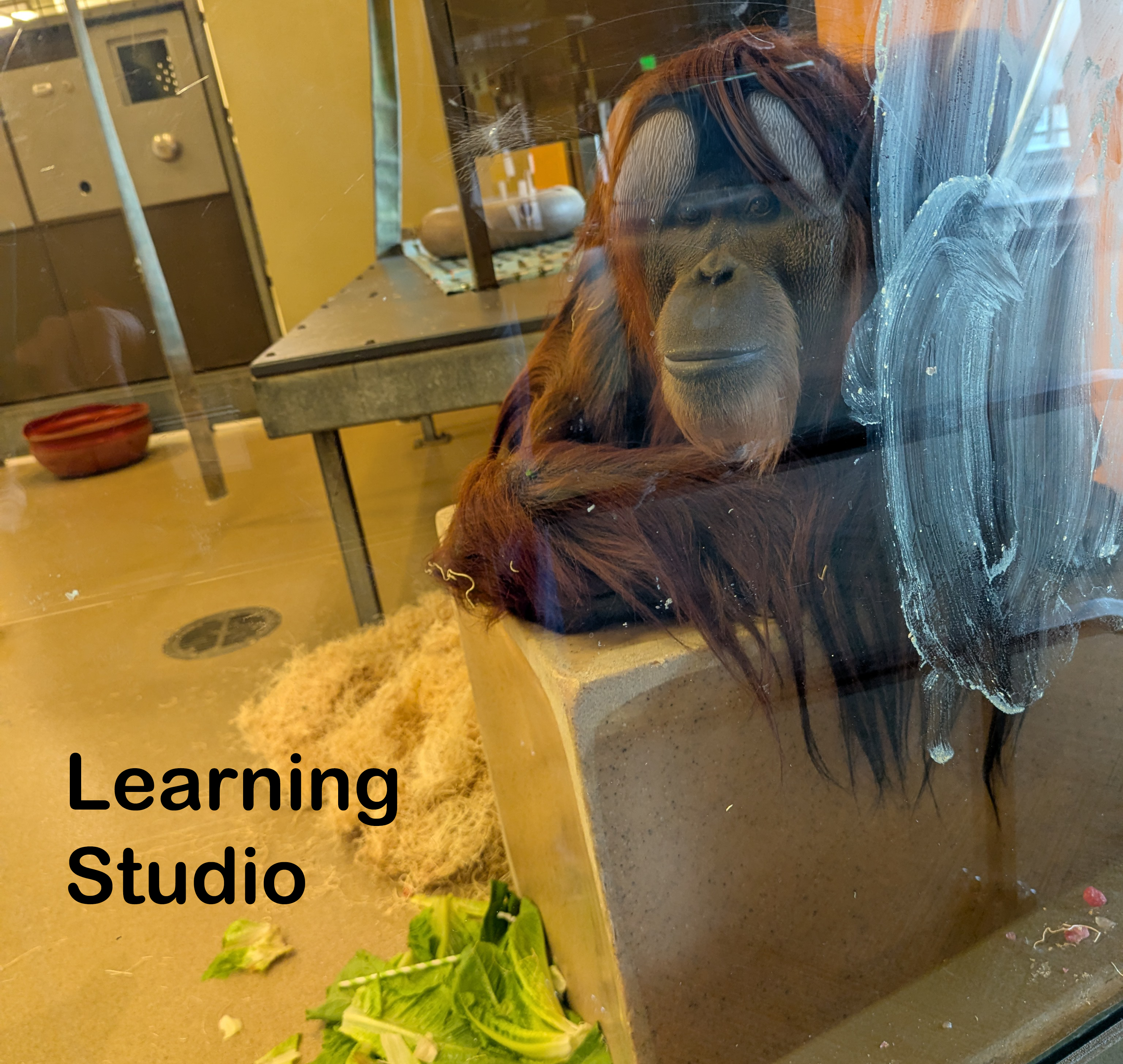
The Indianapolis Zoo has an exhibit consisting of three buildings (two small peripheral and one large central habotats), two yards, and a series of climbing towers connected by cables (The Hutan Train). In the central building, guests observe orangutans in a large indoor dayroom known as the “Atrium” and a smaller touchscreen-equipped room known as the “Learning Studio”.
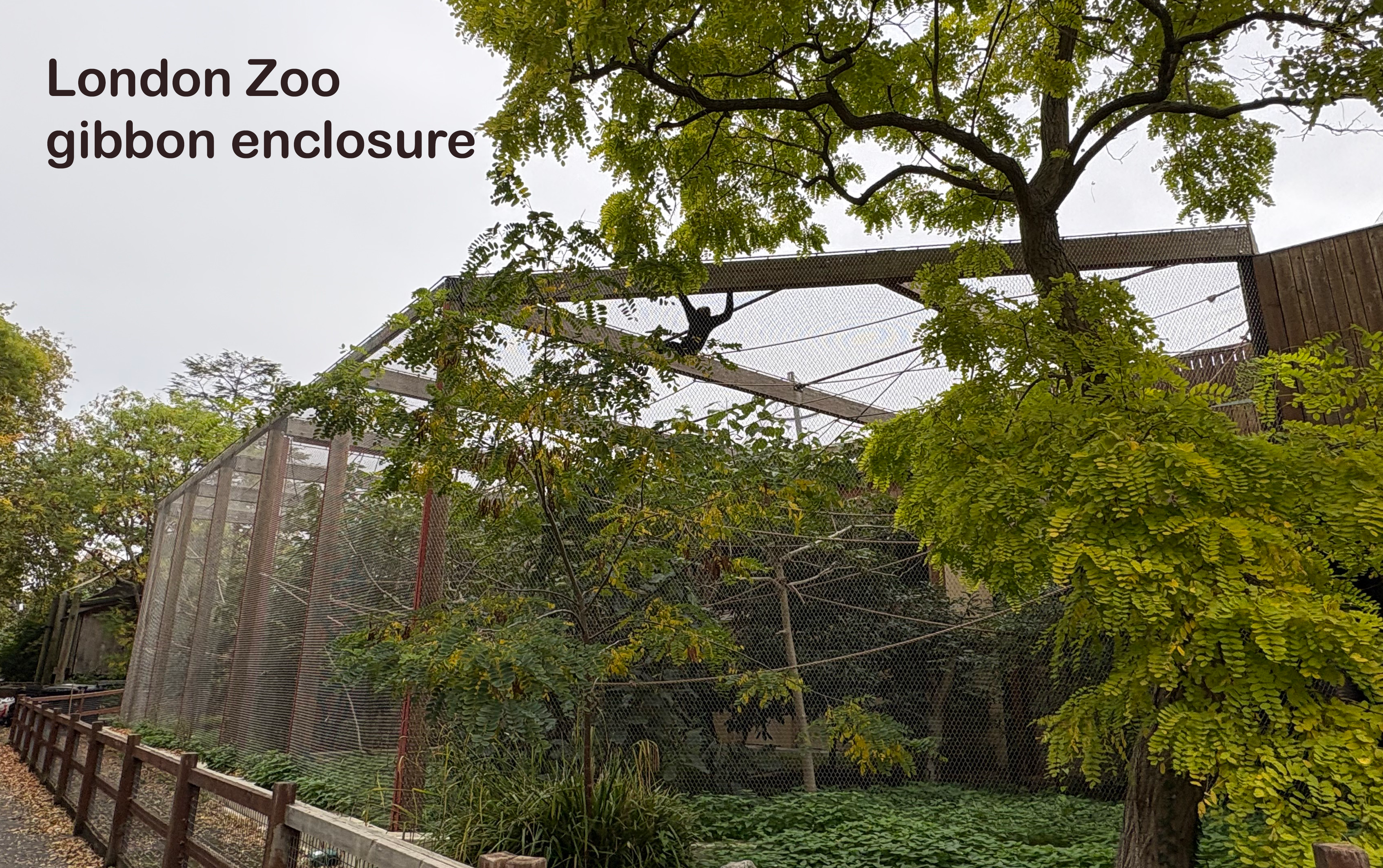
Father and son Jimmy and Yoda are a pair of gibbons living at London Zoo. In the wild, gibbons brachiate from tree to tree, so we would like them to use their entire enclosure. Like all animals cared for in managed environments, gibbons will benefit from cognitive enrichment.